

Every tap on a smartphone to place a wager through platforms like nacional bet triggers an invisible chain of energy consumption—from data centers processing millions of transactions to network infrastructure transmitting betting data across Oregon. As the state’s sports betting market has grown exponentially since legalization, few have examined the environmental footprint lurking beneath this digital convenience. The servers, cooling systems, and telecommunications networks powering Oregon’s sports betting industry consume electricity equivalent to thousands of homes annually, raising critical questions about alignment with the state’s ambitious climate goals.
Oregon has long positioned itself as a sustainability leader, yet the rapid expansion of digital gambling infrastructure has occurred largely outside public environmental discourse. Understanding Oregon’s energy consumption patterns reveals that data-intensive industries like online betting represent a growing portion of the state’s electricity demand. Each live bet, real-time odds update, and streaming video feed requires instantaneous processing power, creating continuous energy draw that persists twenty-four hours daily.
This examination doesn’t seek to vilify technological progress or the entertainment value sports betting provides Oregonians. Rather, it aims to illuminate an overlooked aspect of our digital economy and explore practical pathways forward. By quantifying energy consumption, assessing renewable energy integration opportunities, and highlighting innovative efficiency solutions already emerging in other markets, we can ensure Oregon’s sports betting industry evolves in harmony with environmental values. The challenge isn’t choosing between economic activity and sustainability—it’s designing systems where both thrive together, creating a model other states might follow as digital gambling continues expanding nationwide.
The Digital Infrastructure Behind Every Bet

Data Centers: The Hidden Energy Consumers
Every time an Oregonian places a sports bet through their smartphone, that seemingly simple transaction sets off a complex chain of energy-demanding processes. Behind the sleek mobile interfaces of Oregon’s sports betting platforms lies a vast infrastructure of data centers—facilities that operate around the clock, every day of the year, consuming tremendous amounts of electricity.
These data centers serve as the digital backbone of sports betting, processing millions of transactions, storing user data, calculating real-time odds, and ensuring secure payment systems. To put this in perspective, a single mid-sized data center can consume as much electricity as 50,000 homes annually. When we consider that Oregon’s sports betting market processes thousands of bets daily across multiple platforms, the cumulative energy demand becomes substantial.
What makes data centers particularly energy-intensive isn’t just the computing power—it’s the cooling systems required to prevent overheating. Servers generate enormous heat, and maintaining optimal operating temperatures requires sophisticated cooling infrastructure that can account for up to 40 percent of a data center’s total energy consumption. Think of it as running thousands of high-performance computers in a single room while simultaneously operating industrial-scale air conditioning to keep them from overheating.
For Oregon communities, understanding this hidden energy footprint is essential as the state pursues its ambitious renewable energy goals. The good news? Many data center operators are increasingly exploring renewable energy solutions, recognizing both the environmental imperative and potential cost savings. This presents an opportunity for Oregon to lead by encouraging sports betting platforms to power their operations with clean energy sources.
The Network Effect: Connectivity’s Energy Cost
Every tap on a mobile betting app in Oregon triggers an invisible chain of energy consumption spanning the state’s cellular towers, WiFi routers, and data transmission infrastructure. When a bettor places a wager from their smartphone in Portland or Eugene, that simple action requires continuous connectivity maintained by thousands of network components operating around the clock.
Cellular towers represent one of the most energy-intensive elements of this digital ecosystem. A single 4G tower consumes approximately 5,000 kilowatt-hours annually, while newer 5G infrastructure can require up to 3.5 times more power to deliver the faster speeds that modern betting platforms demand. Oregon currently hosts over 6,000 cell sites, and while not all serve sports betting exclusively, the growing mobile gambling market contributes to increasing bandwidth demands that drive infrastructure expansion.
The energy story extends beyond towers into Oregon homes and businesses. WiFi routers enabling residential betting access draw modest individual power, yet collectively represent substantial consumption when multiplied across hundreds of thousands of households. Data centers processing these transmissions add another layer, routing information between bettors and gaming servers.
What makes this particularly relevant for Oregon is the state’s leadership in renewable energy adoption. Several telecommunications providers in the Pacific Northwest have begun transitioning cell sites to solar power, with pilot programs in rural Oregon demonstrating promising results. These initiatives showcase how the betting industry’s connectivity infrastructure can align with Oregon’s clean energy values while still supporting technological advancement and economic activity.
Oregon’s Sports Betting Market by the Numbers

From Launch to Present: Market Growth and Energy Demands
When Oregon’s Lottery launched its mobile sports betting platform in 2019, the state became an early adopter in the digital wagering landscape. The Scoreboard app started modestly, but growth accelerated rapidly following nationwide trends in online gaming adoption. Within the first year, over 100,000 Oregonians downloaded the platform, a number that has continued climbing as mobile betting became increasingly mainstream.
This expansion required substantial digital infrastructure buildout. The state’s sports betting operations rely on data centers that process millions of transactions daily, from bet placements to real-time odds calculations and payment processing. These facilities require constant electricity to power servers and maintain sophisticated cooling systems that prevent equipment overheating. Energy demand grows proportionally with user engagement, particularly during major sporting events when transaction volumes spike dramatically.
Communities hosting this infrastructure have witnessed firsthand the energy implications. Data center operators in the Portland metro area report electricity consumption comparable to small manufacturing facilities. While exact figures remain commercially sensitive, industry estimates suggest Oregon’s sports betting infrastructure consumes energy equivalent to powering several thousand homes annually.
Understanding these energy demands matters because Oregon has committed to ambitious renewable energy targets. As the sports betting market continues maturing, aligning its growth with the state’s sustainability goals presents both challenges and opportunities for innovative energy solutions.
Comparing the Footprint: Sports Betting vs. Other Digital Services
To understand the energy footprint of Oregon’s sports betting market, it helps to compare it with digital services most of us use daily. Streaming a single hour of high-definition video consumes approximately 0.8 kilowatt-hours of electricity across network infrastructure and data centers. By comparison, placing a sports bet typically requires far less energy, using roughly 0.02 kilowatt-hours per transaction, though the cumulative effect across millions of bets adds up significantly.
Social media platforms present an interesting parallel. Scrolling through feeds, uploading photos, and watching short videos collectively consume vast amounts of energy. Industry estimates suggest social media infrastructure accounts for nearly 3.5% of global data center electricity use. Sports betting platforms operate similarly, maintaining constant server availability, processing real-time odds updates, and managing secure payment systems.
What makes this comparison valuable isn’t to excuse any sector’s consumption, but rather to recognize opportunities. Just as streaming services have adopted renewable energy commitments, Oregon’s sports betting operators can follow suit. Several platforms have already begun transitioning their data centers to renewable sources, demonstrating that entertainment and environmental responsibility can coexist. When we contextualize sports betting within our broader digital ecosystem, we discover that sustainable solutions developed for one industry often benefit others, creating a ripple effect of positive environmental impact throughout Oregon’s digital economy.
Where Clean Energy Meets Digital Entertainment
Oregon’s Renewable Energy Grid: Are We Covered?
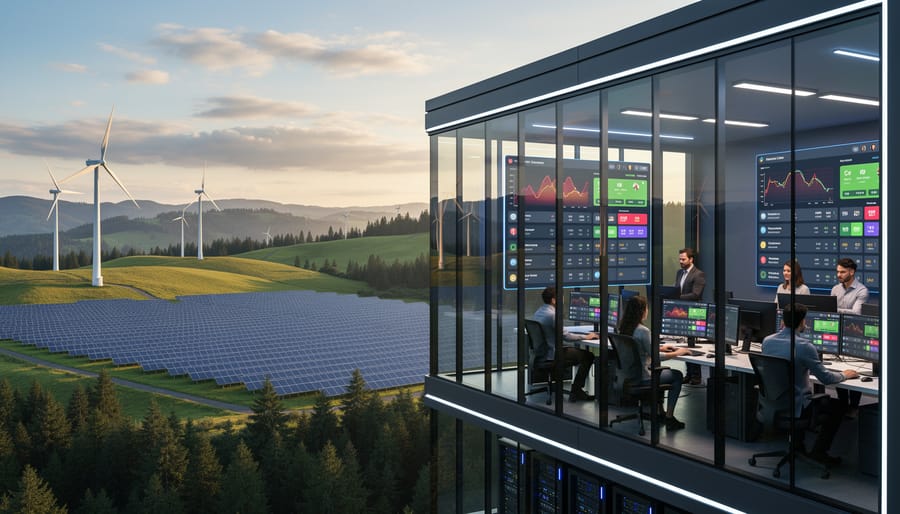
Oregon has positioned itself as a renewable energy leader, with approximately 70% of the state’s electricity coming from clean sources. The foundation of this achievement rests on three pillars: hydroelectric power, which provides the majority of renewable generation, complemented by rapidly growing wind energy and solar power installations across the state.
The good news? Oregon’s renewable infrastructure currently has capacity to accommodate the sports betting industry’s energy footprint. The entire sports betting operation, including servers processing wagers and data centers managing transactions, consumes energy roughly equivalent to powering 2,000 homes annually. While not insignificant, this represents a tiny fraction of Oregon’s total renewable energy generation capacity of over 13,000 megawatts.
However, the question isn’t just about today’s capacity but tomorrow’s demands. As digital industries expand and more Oregonians engage with online platforms, cumulative energy consumption grows. The Eugene Water & Electric Board offers an inspiring example of proactive planning, having exceeded its renewable energy goals while supporting new digital infrastructure through strategic investments in wind farms and community solar projects.
The key to sustainable growth lies in ensuring that new energy demands drive additional renewable capacity rather than delaying the retirement of fossil fuel plants. By coupling digital industry expansion with renewable energy investments, Oregon can maintain its environmental leadership while embracing economic innovation.
The Carbon Cost of Convenience
When Oregon’s renewable energy grid operates at full capacity, sports betting platforms hum along with relatively clean power. But the reality becomes more complex during evening hours when thousands of bettors place wagers simultaneously, typically between 6 PM and 10 PM as major sporting events unfold.
During these peak demand periods, renewable sources like solar power naturally decline while betting activity surges. Wind energy, though often stronger in evening hours along Oregon’s coast, remains variable. When renewable generation falls short of demand, the regional grid automatically engages backup power sources, predominantly natural gas plants that can quickly ramp up production.
This creates what energy experts call the “convenience carbon penalty.” A Portland State University study tracking regional power generation found that during March Madness 2023, fossil fuel backup power increased by 12 percent during evening peak hours compared to typical weekday patterns. Each megawatt-hour drawn from natural gas sources releases approximately 0.92 pounds of carbon dioxide, adding an invisible environmental cost to every bet placed.
Consider the cumulative impact: if Oregon’s sports betting platforms collectively draw an estimated 15 megawatt-hours during a single high-traffic evening, and 40 percent comes from fossil fuel backup, that single night generates roughly 5.5 tons of carbon emissions. Over a full NFL season, these incremental contributions add up significantly.
Understanding this carbon cost doesn’t mean abandoning digital conveniences, but rather recognizing opportunities for strategic solutions. Energy storage systems and demand-response programs, already piloted successfully in Eugene and Bend, offer pathways to buffer renewable energy for peak usage times.
Solutions Already Working in Oregon
Data Centers Going Green: Oregon’s Leading Examples
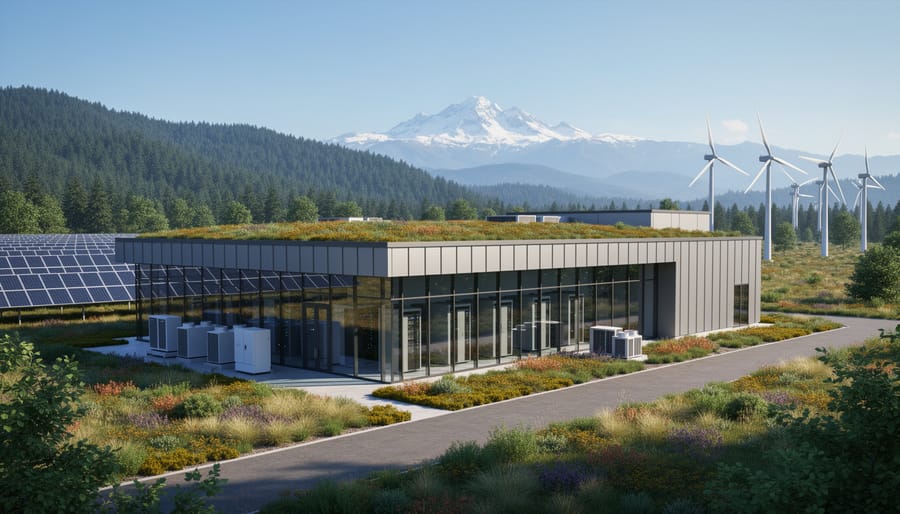
Oregon’s data center industry offers inspiring examples of how digital infrastructure can align with environmental responsibility—lessons directly applicable to the sports betting market’s growing energy footprint.
The Prineville Data Center, operated by a major technology company, stands as a regional pioneer in sustainable operations. Since its establishment, this facility has committed to 100% renewable energy through power purchase agreements with Eastern Oregon wind farms. The center employs innovative evaporative cooling systems that use outside air for temperature regulation most of the year, reducing energy consumption by up to 40% compared to traditional cooling methods. This approach leverages Oregon’s temperate climate as a natural resource, demonstrating how geography can inform energy management strategies.
Closer to the Willamette Valley, the Hillsboro Digital Campus has pioneered water conservation alongside energy efficiency. Their closed-loop cooling system recycles water continuously, while rooftop solar arrays generate a portion of onsite electricity needs. Community partnerships have allowed excess heat from server operations to warm nearby commercial greenhouses during winter months, transforming waste energy into agricultural benefits.
These facilities prove that even energy-intensive digital operations can integrate sustainability from conception through daily operations. Their success stems from three key principles: investing in renewable energy sources, optimizing cooling through climate-appropriate design, and engaging local communities as stakeholders. As Oregon’s sports betting infrastructure expands, policymakers and industry leaders can draw from these established models, ensuring new data demands don’t compromise the state’s environmental commitments. These examples demonstrate that economic growth and ecological stewardship need not conflict when innovation guides development.
What Sports Betting Operators Can Learn From Tech Giants
Oregon’s thriving tech sector has already blazed a trail that sports betting operators can follow toward sustainability. Companies like Intel, which operates massive data centers in the Hillsboro area, have demonstrated that energy-intensive digital operations can align with environmental responsibility through strategic partnerships.
Intel’s collaboration with Portland General Electric resulted in the Green Future Impact program, allowing the tech giant to source renewable energy directly while investing in local solar and wind projects. This partnership model reduced their carbon footprint by 71% since 2010 while maintaining operational excellence. Similarly, Amazon Web Services established agreements with Oregon utilities to power their data centers with 100% renewable energy, including a 200-megawatt solar farm near Arlington that now supplies clean power to the regional grid.
These partnerships offer sports betting operators a proven roadmap. Rather than viewing energy consumption as an unavoidable cost, betting platforms can engage utilities early in their market entry strategy. Pacific Power’s Blue Sky program, for instance, provides renewable energy blocks specifically designed for commercial operations, making green energy accessible even for smaller operators without requiring massive infrastructure investments.
The key lesson is collaborative planning. When Google expanded its data center in The Dalles, the company worked directly with Northern Wasco County People’s Utility District to develop renewable procurement strategies that benefited both parties. Sports betting companies entering Oregon’s market can adopt similar approaches, transforming their energy needs from environmental challenges into opportunities for community investment and demonstrating that profitable operations and sustainability aren’t mutually exclusive goals.
A Path Forward: Policy and Industry Opportunities
Regulatory Frameworks That Encourage Efficiency
Oregon has a unique opportunity to lead the nation in establishing regulatory frameworks that align the growing sports betting industry with the state’s ambitious climate goals. By implementing thoughtful policy mechanisms, regulators can ensure this digital entertainment sector contributes to rather than detracts from environmental progress.
Energy reporting requirements represent a foundational step. Mandating that licensed sports betting operators disclose their energy consumption, data center efficiency metrics, and carbon footprints creates transparency and accountability. Washington State has already piloted similar disclosure requirements for data-intensive industries, demonstrating that operators respond positively when expectations are clear. These reports would help Oregon track industry growth against environmental targets while identifying opportunities for improvement.
Renewable energy mandates offer another powerful tool. Requiring that a percentage of operator energy consumption come from renewable sources—starting at achievable thresholds and increasing over time—encourages investment in clean energy infrastructure. Some forward-thinking betting platforms have voluntarily committed to 100% renewable energy, proving the feasibility of such requirements. Oregon could incorporate renewable energy commitments directly into licensing conditions, making sustainability a prerequisite for market participation.
Incentive programs can accelerate voluntary adoption of best practices. Tax credits for operators who exceed efficiency standards, streamlined permit processes for those investing in on-site renewable generation, or public recognition programs highlighting industry leaders all create positive motivation. These carrots complement regulatory sticks, fostering innovation rather than mere compliance. Community energy cooperatives could even partner with operators, channeling betting revenue toward local renewable projects that benefit all Oregonians while powering the digital infrastructure sustainably.
Industry Best Practices and Voluntary Commitments
While Oregon awaits formal legislation, the sports betting industry can take proactive steps to minimize its environmental footprint through voluntary commitments. These industry-led initiatives demonstrate that environmental responsibility and business success can coexist.
Several leading betting platforms have already begun purchasing renewable energy credits to offset their data center operations. This approach allows companies to support wind, solar, and hydroelectric projects while neutralizing their carbon footprint. In neighboring states, operators like DraftKings have committed to 100% renewable energy by 2030, setting a precedent Oregon-based platforms could follow.
Algorithm optimization represents another powerful tool for reducing energy consumption. By streamlining code and improving server efficiency, platforms can deliver the same user experience while using significantly less computational power. One industry study found that optimized betting algorithms reduced server load by up to 30%, translating directly into lower electricity demand.
Transparency initiatives help build public trust and accountability. Forward-thinking operators publish annual sustainability reports detailing their energy consumption, carbon emissions, and environmental goals. This openness allows consumers to make informed choices and encourages competitive pressure toward greener practices.
Oregon’s community-focused culture offers unique opportunities for local collaboration. Betting platforms could partner with regional utilities like Pacific Power to source locally-generated renewable energy, keeping economic benefits within state borders while supporting Oregon’s transition to clean energy. Such partnerships create jobs, strengthen communities, and align business operations with the state’s environmental values. By embracing these voluntary measures before regulations require them, the sports betting industry can position itself as an environmental leader rather than a laggard.
Every digital wager placed through Oregon’s sports betting platforms represents a choice that extends far beyond the game itself. The energy consumed by data centers, network infrastructure, and mobile devices collectively shapes our environmental footprint in ways that may seem invisible but remain undeniably real. Understanding this connection empowers us all—from individual bettors to platform operators, policymakers to technology innovators—to make more informed decisions about our digital future.
Oregon stands at a promising crossroads where economic vitality and environmental stewardship need not compete but can complement each other. The state’s commitment to renewable energy, demonstrated through community solar projects and forward-thinking utility partnerships, provides a solid foundation for sustainable digital growth. When sports betting operators prioritize energy efficiency and renewable power sources, they don’t just reduce environmental impact—they also position themselves as leaders in an increasingly sustainability-conscious marketplace.
The path forward requires awareness and collaboration. By recognizing how our digital behaviors connect to broader environmental outcomes, we can collectively champion solutions that preserve Oregon’s natural beauty while embracing technological progress. This moment calls for continued dialogue among all stakeholders, fostering innovations that ensure our digital economy thrives sustainably for generations to come.